
Key Personality Traits of Psychopathy
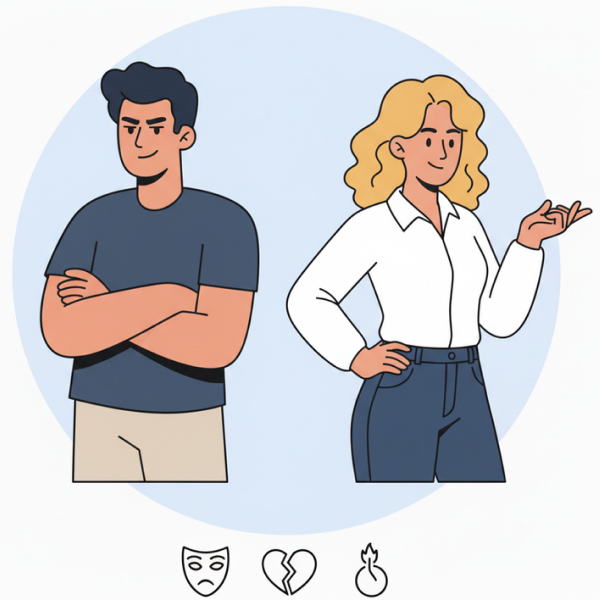
Popular culture loves larger-than-life villains, yet clinical reality is more disciplined, nuanced, and evidence-based. In clinical discourse, the query what is psychopathy surfaces whenever people confront media myths versus science. Researchers focus on enduring personality patterns that blend low empathy with boldness, impulsivity, and strategic charm, all shaped by biology and environment. This construct is not a diagnosis in itself, and it does not automatically predict crime, violence, or immorality. Instead, it describes a cluster of tendencies that can vary in intensity and expression across people, contexts, and life stages.

Terminology also matters because casual labels risk stigmatizing individuals and oversimplifying behavior. Across history and fiction, the label psychopath has been stretched to cover villains, masterminds, and misunderstood outliers. Modern science prefers dimensional thinking, which means gradients instead of on–off categories. That approach helps explain why someone might show cool-headedness under stress yet maintain lawful, prosocial conduct. When we move beyond caricatures, we see a spectrum of features that interact with upbringing, culture, opportunities, and values.
Descriptions of this personality configuration revolve around emotional style, interpersonal strategies, and behavioral control. Beyond headlines, researchers delineate the characteristics of a psychopath with structured observations and validated instruments. People who rank high on these dimensions may exhibit shallow affect, calculated charm, and a tendency to pursue goals without typical fear responses. The picture grows more precise when we consider timing, setting, and the person’s broader history, including relationships and work patterns. Observers should look for persistent patterns over time, not isolated moments after a bad day.

Charisma Vs. Manipulation: How to Tell the Difference
Everyday behavior can be confusing because confidence and callousness can look similar in brief encounters. In everyday settings, people often conflate the traits of a psychopath with generic rudeness or mere risk taking. Granular assessment distinguishes charisma that builds trust from manipulation that extracts favors. The difference shows up in accountability, empathy during conflict, and willingness to accept consequences. Longitudinal patterns tell the story more reliably than single snapshots.
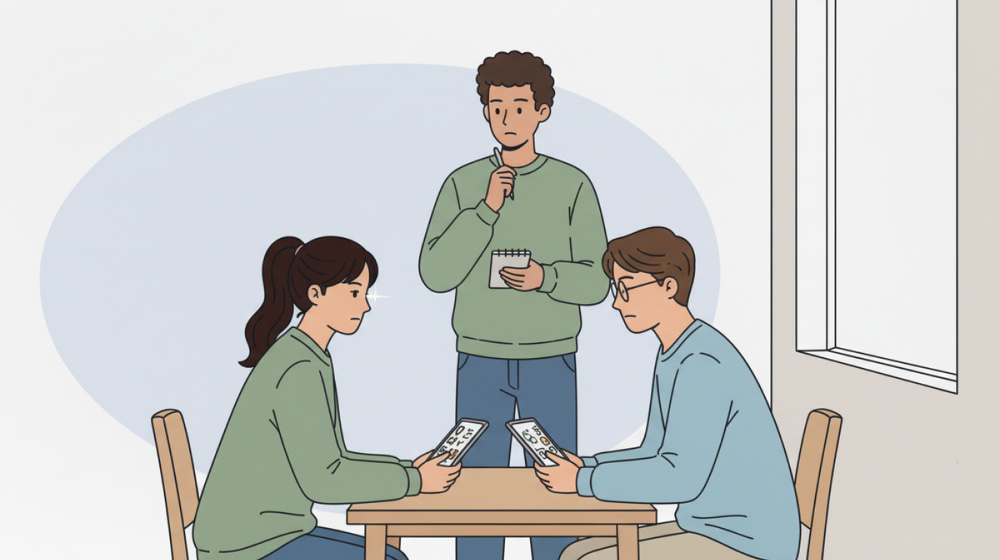
Contemporary models emphasize multidimensional mapping rather than name-calling. Within personality science, scholars map psychopathic traits along dimensions such as boldness, meanness, and disinhibition. Boldness can manifest as poised leadership under pressure, while meanness reflects cold competitiveness without remorse. Disinhibition captures impulsivity and poor planning but can also fade with maturation and coaching. Contextual supports, like healthy mentorship, structured goals, and feedback, can steer these dispositions toward productive channels.
- 1Watch for consistency across settings: work, home, and social networks.
- 2Track how someone handles limits, setbacks, and fair rules.
- 3Notice whether charm builds mutual value or extracts one-sided gains.
- 4Distinguish assertive courage from reckless risk without contingency plans.
The Role of the Hare Psychopathy Checklist
Sound evaluation combines interviews, collateral information, and standardized measures administered by trained professionals. For forensic evaluations, clinicians frequently reference the Hare psychopathy checklist when integrating interview data and collateral records. That approach resists snap judgments by weighing life history, behavioral patterns, and interpersonal style. Professionals also consider situational stressors and potential alternative explanations, such as trauma, substance use, or neurological conditions.
| Instrument | Primary Purpose | Typical Setting | What It Clarifies |
|---|---|---|---|
| PCL-R (PCL variants) | Structured rating of personality and behavior history | Forensic, clinical research | Level of interpersonal callousness, lifestyle impulsivity |
| Self-report inventories | Dimensional insight into attitudes and self-perceived style | Research, organizational screening (with oversight) | Boldness, antagonism, and disinhibition facets |
| Multi-method batteries | Converging evidence across tools | Clinical practice, high-stakes decisions | Triangulates risk, strengths, and context |
Online content often blurs education with entertainment, so critical reading is essential. In academic contexts, the phrase psychopathy checklist refers to structured rating scales rather than casual internet quizzes. Real-world decisions, sentencing, hiring, and safety planning should never rest on single tools or brief impressions. Instead, qualified evaluators synthesize patterns across sources and over time. Scores also evolve with learning, maturation, and situational changes, which is why follow-up matters. Among measurement tools, a well-normed psychopathy scale balances reliability with sensitivity to different settings. When scores shift, it may reflect therapy gains, better routines, or simply more accurate data. Measurement is a compass, not a verdict; the direction it points depends on consistent observation and ethical use.
Not every expression of this personality style spells harm or misconduct; in some contexts, traits can be channeled productively. In less extreme forms, selected psychopathic tendencies can overlap with adaptive grit and cool-headedness. Consider crisis leadership, emergency medicine, or high-stakes negotiations, where calm focus and swift action can protect teams. With ethical guardrails, coaching can reinforce accountability while preserving useful poise. The goal is harnessing courage without sliding into exploitation or needless risk.
How Psychopathy Spectrum Tests Work
Dimensional thinking helps clarify where strengths end and liabilities begin. To explore gradations rather than binaries, some labs employ a psychopathy spectrum test that emphasizes continuous scores. This framing supports tailored development plans, including empathy training, value alignment, and decision-making drills. By tracking concrete behaviors, meeting obligations, honoring commitments, and owning mistakes, coaches can shape ambition into responsible influence. The emphasis stays on measurable habits, not labels.
Ethics of Testing and When to Seek Professional Guidance
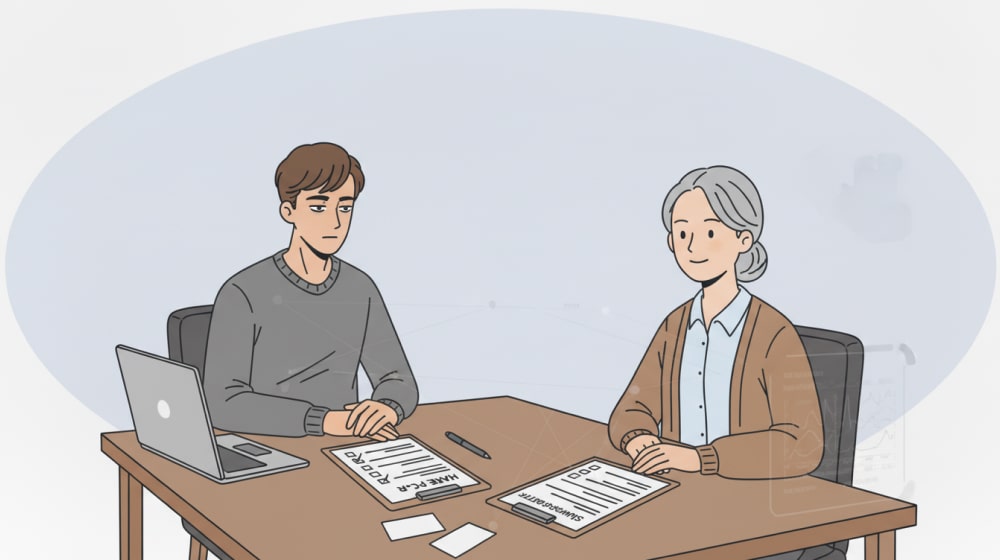
Curiosity about personality is healthy when it leads to better choices, not self-stigmatizing labels. Before clicking a casual psychopath test, readers should understand what legitimate screening can and cannot conclude. Educational checklists can spark reflection about impulse control, empathy, or strategic thinking. However, only a trained evaluator can integrate multiple data points into responsible conclusions. If questions persist, a licensed clinician can recommend appropriate next steps.
Media narratives often oversimplify complex measurement into single-score verdicts. Within popular culture, the phrase the psychopathy test became shorthand for a single verdict, yet assessment is broader and multi-method. Real evaluations consider development, context, and comorbid factors that mimic similar patterns. Even strong results deserve humility, because human behavior changes with incentives, relationships, and stress. Ethical use of information protects individuals and communities alike.
Managing Impulses
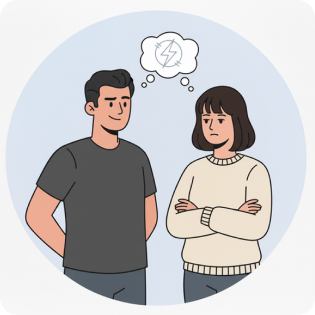
Self-reflection should be paired with compassion and practical action rather than panic. After films or true-crime series, it is common to wonder am i psychopath while noticing moments of emotional detachment or thrill seeking. Instead of fixating on labels, focus on daily habits like keeping promises, managing frustration, and practicing perspective taking. If you worry about harmful impulses, speak to a professional early, when change is easiest. Growth rests on consistent choices that reinforce prosocial identity.
- 1Use journals and feedback to track behavior over weeks, not hours.
- 2Invite honest input from peers who see you in real pressure tests.
- 3Prioritize sleep, exercise, and routine; self-control strengthens with structure.
- 4Seek coaching to align ambition with long-term, ethical outcomes.
Frequently Asked Questions
- How accurate are online quizzes about this personality style?
Brief questionnaires can be educational, but they are not diagnostic and should be read as conversation starters. For self-education, a brief am i psychopath quiz may spark curiosity, but results should never replace professional judgment. If concerns arise, consult a clinician trained in personality assessment for a multi-method evaluation. Accuracy improves when multiple sources of data converge over time.
- Is there a simple way to compare this construct with related labels?
Labels evolve across disciplines, and popular media often merges ideas that scholars keep separate. When comparing labels, a pop-culture psychopath vs sociopath test usually blurs legal history with clinical nuance. Rely on evidence-based frameworks that emphasize measurable behavior, developmental pathways, and contextual factors. Precision reduces stigma and improves practical decisions.
- Can people with high boldness and low fear live ethical, productive lives?
Yes, especially when accountability systems and prosocial values are strong. Coaching can redirect competitive drive into service-oriented goals, and structured routines support self-control. Many individuals thrive in roles that prize calm decision-making under pressure, provided ethics remain nonnegotiable. Balanced incentives and mentorship make a meaningful difference.
- What are signs that someone should seek a professional evaluation?
Persistent patterns of deception, rule-breaking, or callous conflict handling warrant expert input. Additional red flags include impulsive decisions that create repeated harm, difficulty learning from consequences, and chronic blame shifting. An evaluation can clarify whether other conditions better explain the behavior and can outline a concrete improvement plan. Early consultation helps prevent escalation.
- How can organizations manage risk while benefiting from strong nerves and decisiveness?
Start with clear codes of conduct, transparent oversight, and regular feedback cycles. Add structured decision checklists, conflict-of-interest disclosures, and performance metrics that reward long-term value creation. Pair high-pressure roles with ethics training and peer review to keep incentives aligned. Teams flourish when courage and conscience rise together.
The Latest News
-
![The Definitive Guide to Modern Psychopathy Test]() The Definitive Guide to Modern Psychopathy Test Psychopath Test: Understanding Psychopathy With the Hare Checklist Get Started What a Modern Assessment Really Measures Understanding how clinicians and researchers evaluate callous-unemotional traits, risk-taking, and manipulative tendencies starts with distinguishing per...
The Definitive Guide to Modern Psychopathy Test Psychopath Test: Understanding Psychopathy With the Hare Checklist Get Started What a Modern Assessment Really Measures Understanding how clinicians and researchers evaluate callous-unemotional traits, risk-taking, and manipulative tendencies starts with distinguishing per... - 8 December, 2025
-
![Psychopath Quiz: A Deep Guide to Online Self-Assessments]() Psychopath Quiz: A Deep Guide to Online Self-Assessments Psychopath Test: Understanding Psychopathy With the Hare Checklist Get Started What These Personality Quizzes Really Measure Online self-assessments that claim to explore psychopathic traits fascinate people because they offer a mirror into our darker curiosities, yet they...
Psychopath Quiz: A Deep Guide to Online Self-Assessments Psychopath Test: Understanding Psychopathy With the Hare Checklist Get Started What These Personality Quizzes Really Measure Online self-assessments that claim to explore psychopathic traits fascinate people because they offer a mirror into our darker curiosities, yet they... - 5 December, 2025
-
![Discover Psychopathic Traits: Potential Advantages and Ethical Boundaries]() Discover Psychopathic Traits: Potential Advantages and Ethical Boundaries Psychopath Test: Understanding Psychopathy With the Hare Checklist Get Started Understanding Psychopathy in Context Psychopathy is a complex personality configuration, not a cinematic caricature. Researchers describe a constellation of affective, interpersonal, and behavio...
Discover Psychopathic Traits: Potential Advantages and Ethical Boundaries Psychopath Test: Understanding Psychopathy With the Hare Checklist Get Started Understanding Psychopathy in Context Psychopathy is a complex personality configuration, not a cinematic caricature. Researchers describe a constellation of affective, interpersonal, and behavio... - 4 December, 2025


Please Note
This website (the-psychopath-test.com) is not an official representative, creator or developer of this application, or product. All the copyrighted materials belong to their respective owners. All the content on this website is used for educational and informative purposes only.